
Brave new world
- Metallica take on Napster
- Iron Maiden's six-piece comeback album
- A million copies sold in one week
Intro free · full chapter Premium
In 1999 Opeth made Still Life, the album of the year, while the doom and gothic pioneers around them turned to melancholic rock and synths. Gothenburg and Finland gave melodic death metal the line-ups and sounds of the next decade, Nightwish and a new band from Kemi carried Finnish power metal into Europe, and nu metal reached its commercial peak with Limp Bizkit, Slipknot and Korn. Iron Maiden got their classic singer back, and Black Sabbath played what was billed as their farewell.
In the spring of 1999 four Swedes went into Studio Fredman in Gothenburg with very little rehearsal behind them. For the first time on an Opeth record the bass would be played by a bassist rather than by Mikael Åkerfeldt, and the line-up that would carry the band into the next decade was finally complete. The album they made there tells of an exile, a woman called Melinda and a town that would not forgive.
Elsewhere 1999 was louder. In America two nu metal albums went straight to No. 1, nine masked musicians from Iowa took over Ozzfest's second stage, and the summer's most talked-about festival ended in fire. In Finland a symphonic band timed a single to a solar eclipse, and in the small northern town of Kemi a young band was preparing its debut for the label that released Nightwish. Yet the record that would matter most came out quietly in October.
Fifteen dates that shaped the year – from Edguy's Theater of Salvation in January to Black Sabbath's last NEC show in December.
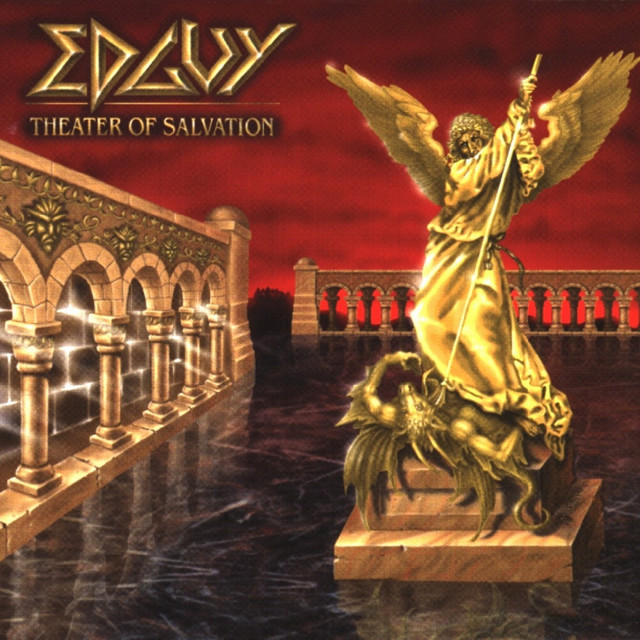
A settled line-up, in the year Tobias Sammet began work on Avantasia.
Bruce Dickinson and Adrian Smith are back; Janick Gers stays, making a six-piece.
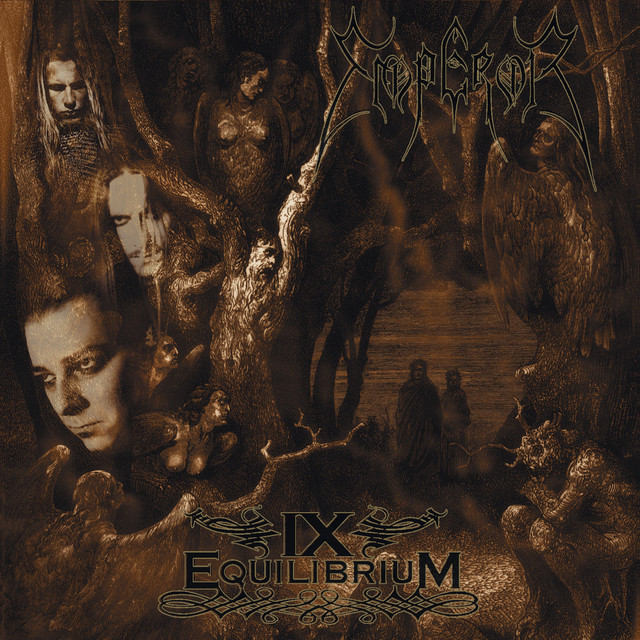
Emperor as a trio, turning from symphonic grandeur to riffs and old-school roots.
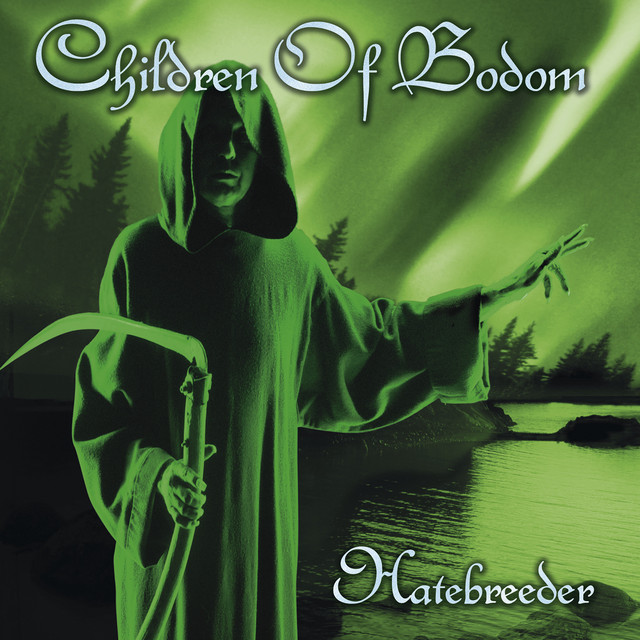
Guitar and keyboard duels at full speed, and the road to Tokyo.
Black Sabbath's original four headline; Slipknot play the second stage before their album is out.
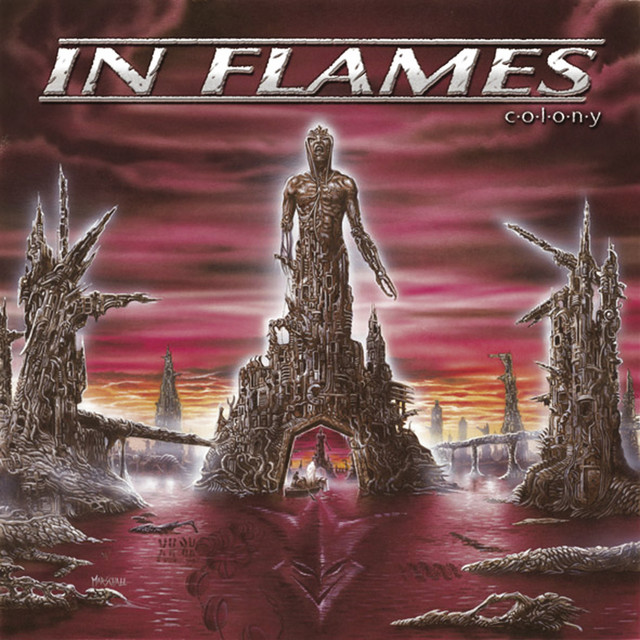
A rebuilt line-up and shorter, more direct songs from Studio Fredman.
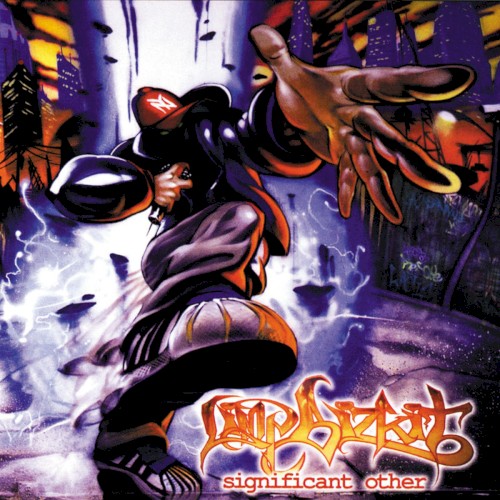
Straight to No. 1 on the Billboard 200, with guests from Method Man to Scott Weiland.
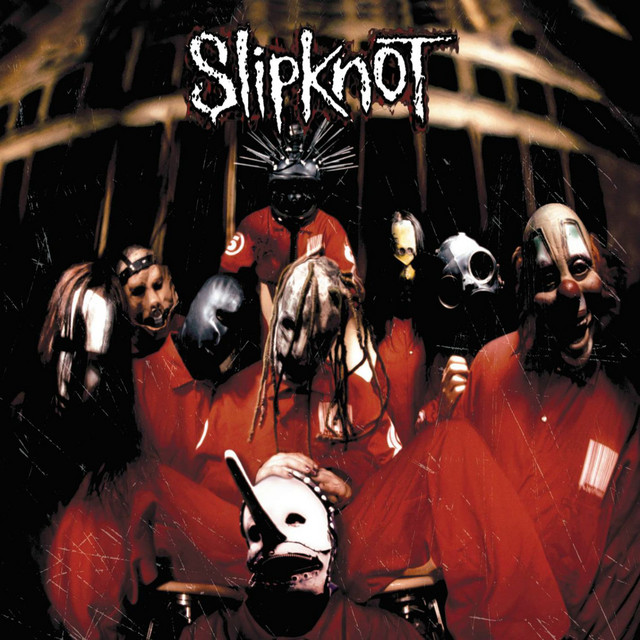
Ross Robinson's Indigo Ranch sessions become Roadrunner's first platinum album.
A single timed to the 11 August solar eclipse sells some 15,000 copies in Germany.
A 23-track double album, and NIN's first No. 1 on the Billboard 200.
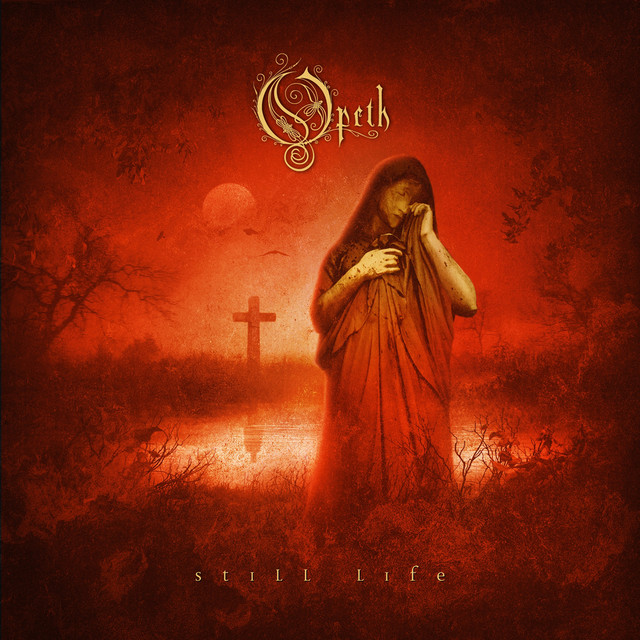
The album of the year: Martín Méndez's first, and the story of Melinda.
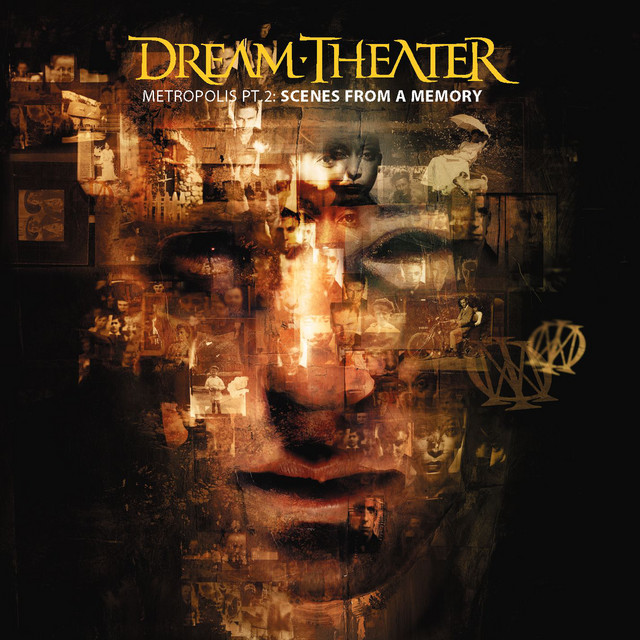
Jordan Rudess's first Dream Theater album, and the band's first full concept record.
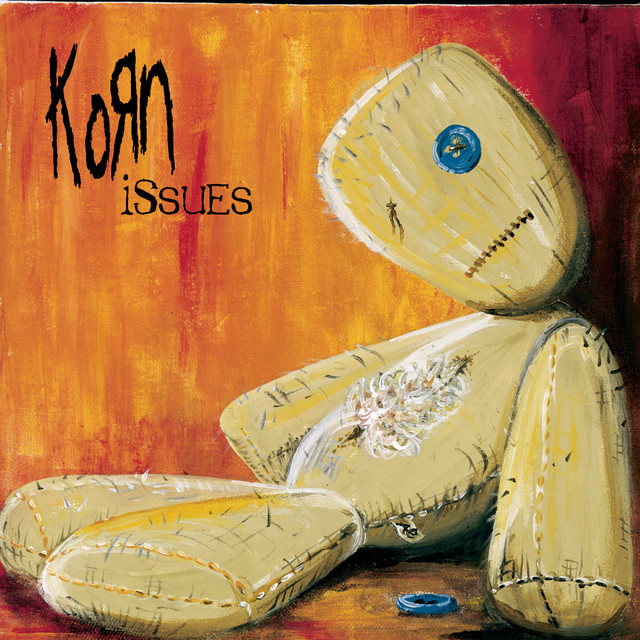
Launched on South Park and at the Apollo, then straight to No. 1.
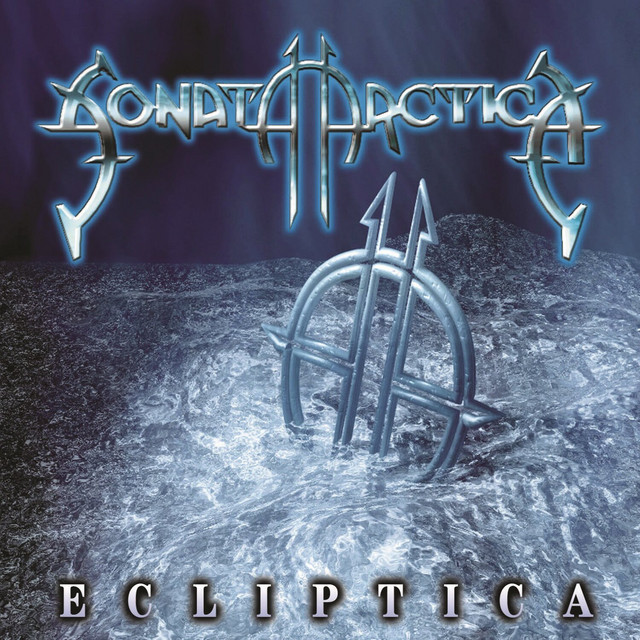
A debut from Kemi, made in a small local studio, for the label that released Nightwish.
The farewell year ends in Birmingham, with "Paranoid" as the last song.