
Cut, loaded and rooted
- Metallica cut their hair and release Load
- Sepultura's Roots
- The very first Ozzfest
Intro free · full chapter Premium
In 1995 MTV switched off Headbangers Ball, and some of the biggest names of 1980s metal found themselves in smaller rooms. The new sounds came from elsewhere: Gothenburg's melodic death metal, machine-tight industrial metal, a gothic doom scene at its commercial peak, Seattle's first year without Kurt Cobain and a young band from Sacramento who built their audience on the road.
In January 1995 MTV cancelled Headbangers Ball, the weekly show that had carried heavy metal videos into American living rooms. In February the Long Beach station KNAC, the country's best-known metal radio station, went off the air for good. Within a few weeks, metal had lost both of its biggest American shop windows, and the bands that had grown up with them were about to find out what that meant.
Yet 1995 was anything but quiet. In a small Gothenburg studio, five young Swedes were about to make the record that would give a whole sound its name. In Woodstock, New York, another band had taught guitars and drums to sound like machines. On an airfield in the Netherlands, a metal festival drew well over 100,000 people. And in Seattle, still in mourning, the heaviest band of the grunge years made a No. 1 album they would never take on tour.
Fifteen dates that shaped the year – from MTV switching off its metal show in January to Gothenburg's defining record in November.
The weekly metal show ends; the mixed-genre Superock takes its place.
Long Beach's hard rock and metal station, on air since 1986, goes silent for good.

Layne Staley and Mike McCready's side project, recorded fast at Bad Animals.
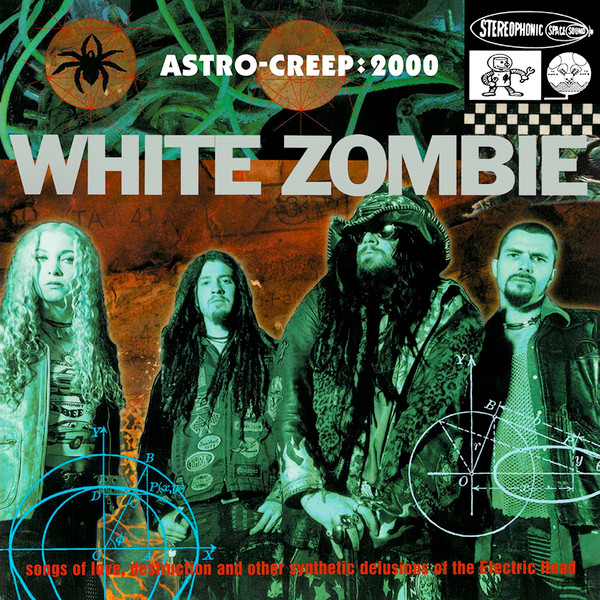
Terry Date's production takes industrial groove to No. 6 and double platinum.
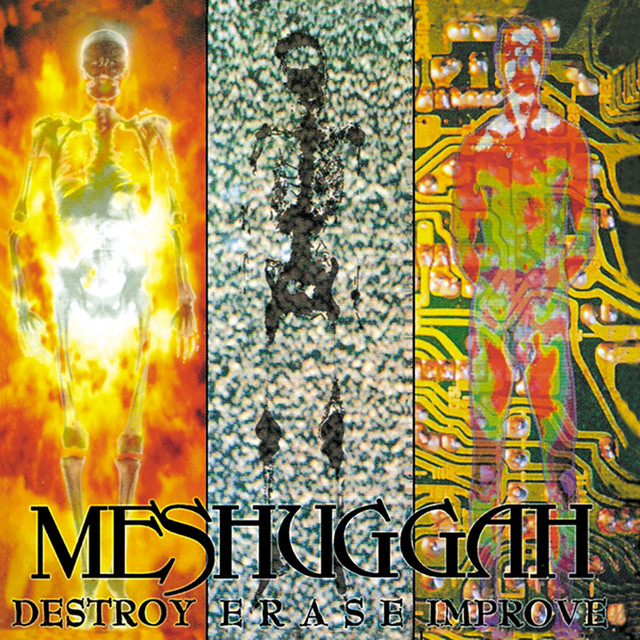
Polyrhythmic riffs from Uppsala that later critics trace to djent.
Well over 100,000 people gather on an airfield near Eindhoven.
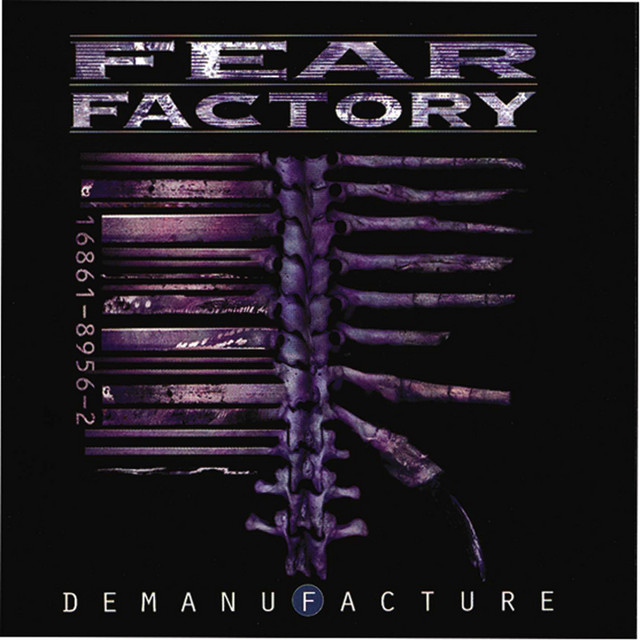
Man against machine, played with drum-machine precision on real instruments.
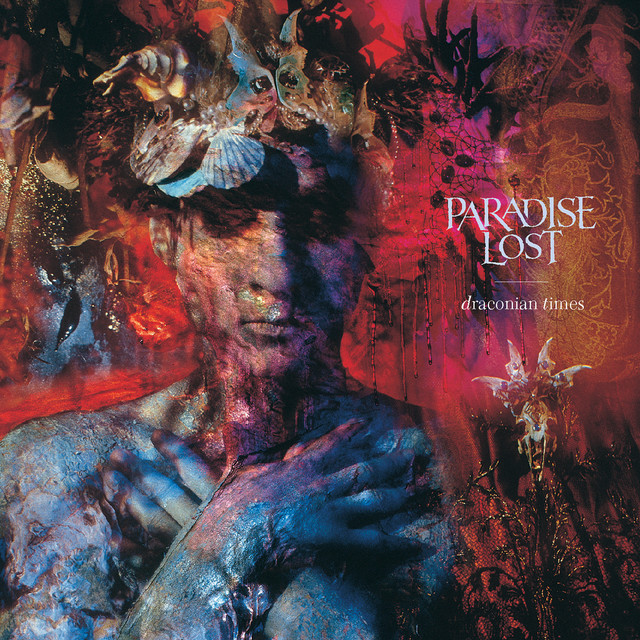
Gothic metal's biggest record of the decade reaches No. 16 in the UK.
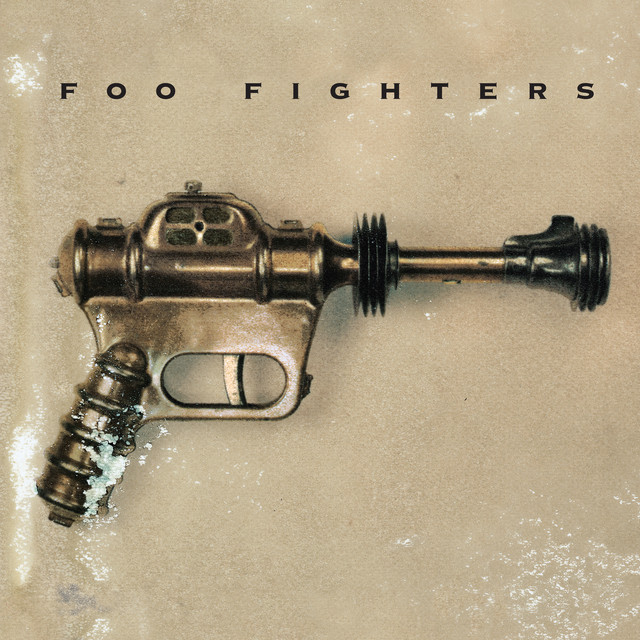
Dave Grohl plays every instrument; critics start talking about post-grunge.
A break from recording Load to headline Donington Park.
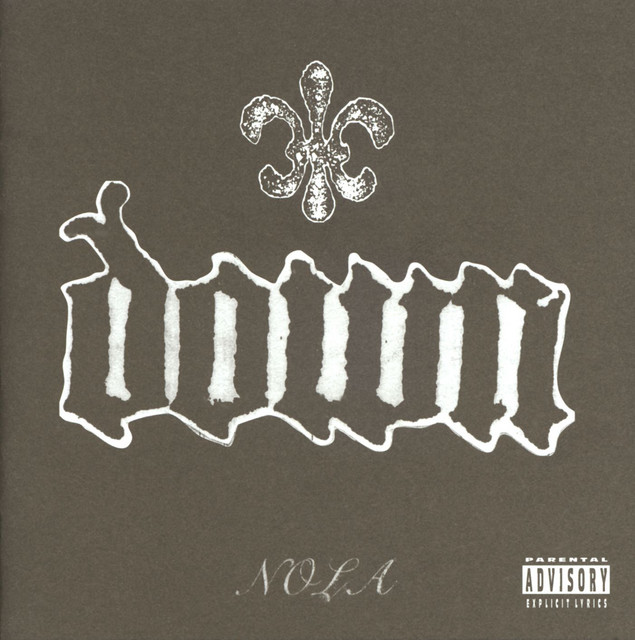
Anselmo, Keenan and friends release New Orleans' sludge-heavy supergroup debut.
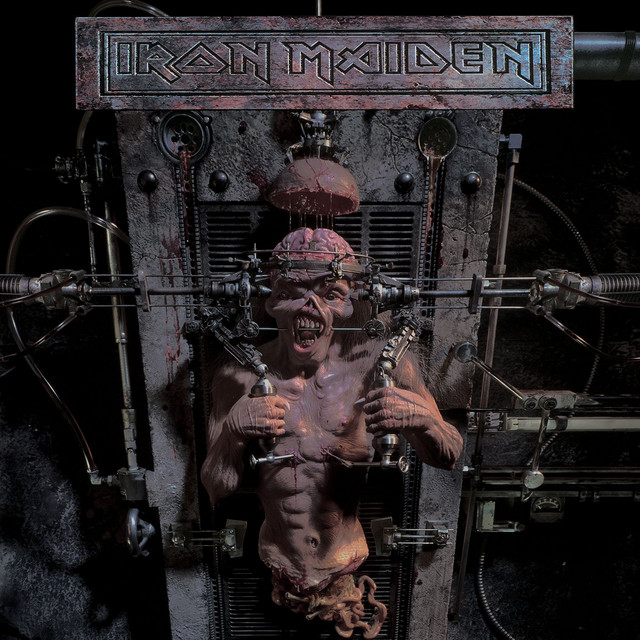
Blaze Bayley's first Maiden album; the band tour theatres instead of arenas.
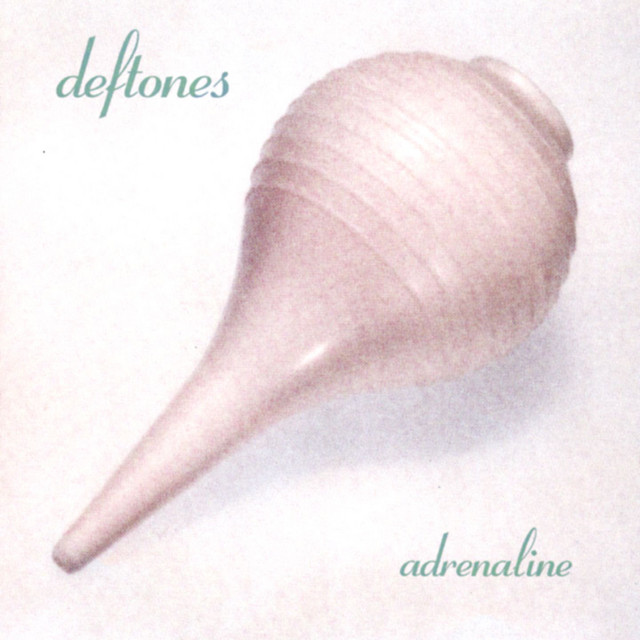
No radio, no MTV: a Sacramento debut that sells through touring alone.
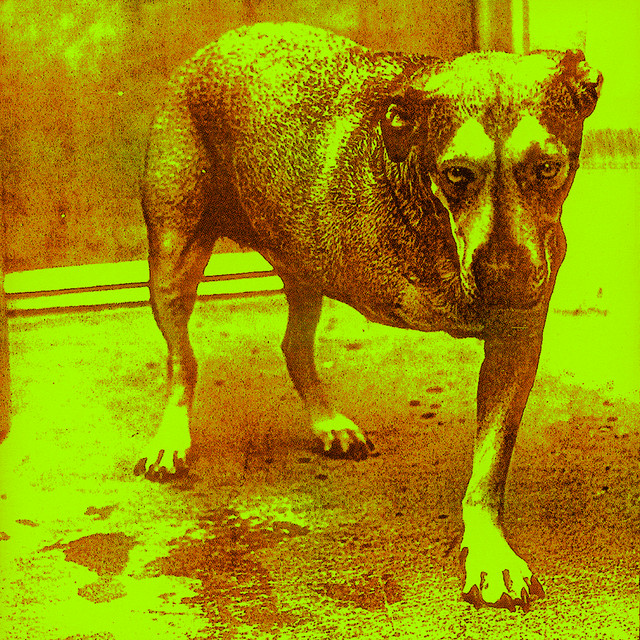
The dog album goes straight to No. 1, but there is no tour.
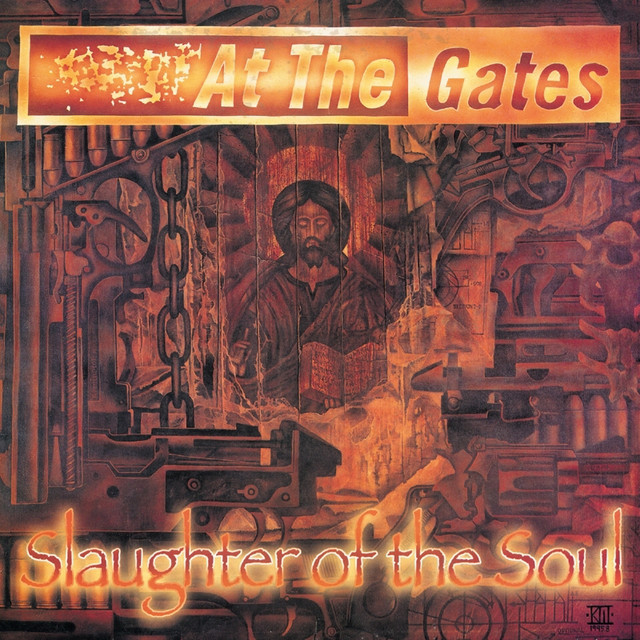
Eleven short songs from Studio Fredman write the Gothenburg rulebook.